
(614) 972-1047Contact
Active listings in Galena, as of August 23, 2026. Median list price and median days listed describe houses currently for sale and exclude land, and neither is drawn from completed sales. Source: Columbus Regional Multiple Listing Service (Flexmls) and MLS Now, through our IDX feed.
Galena is small enough that you can take in its historic core on a short walk and water is rarely far in either direction. The village sits in the narrow band of land between Hoover Reservoir and Alum Creek Lake, with its old center strung along SR-3 and Columbus Street. Leave the village in most directions and the lots open up, with larger parcels, some acreage, and the occasional equestrian or rural property, before you reach the newer subdivisions that have gone in nearby. It is a place defined as much by what surrounds it, the water and the open ground, as by the village itself.
So let's walk Galena through what you can see and verify for yourself.
The village core is the historic anchor: an older, small-scaled center along SR-3 and Columbus Street, compact enough to read on foot. It's the kind of village center that predates the modern street grid, and its scale shows it.
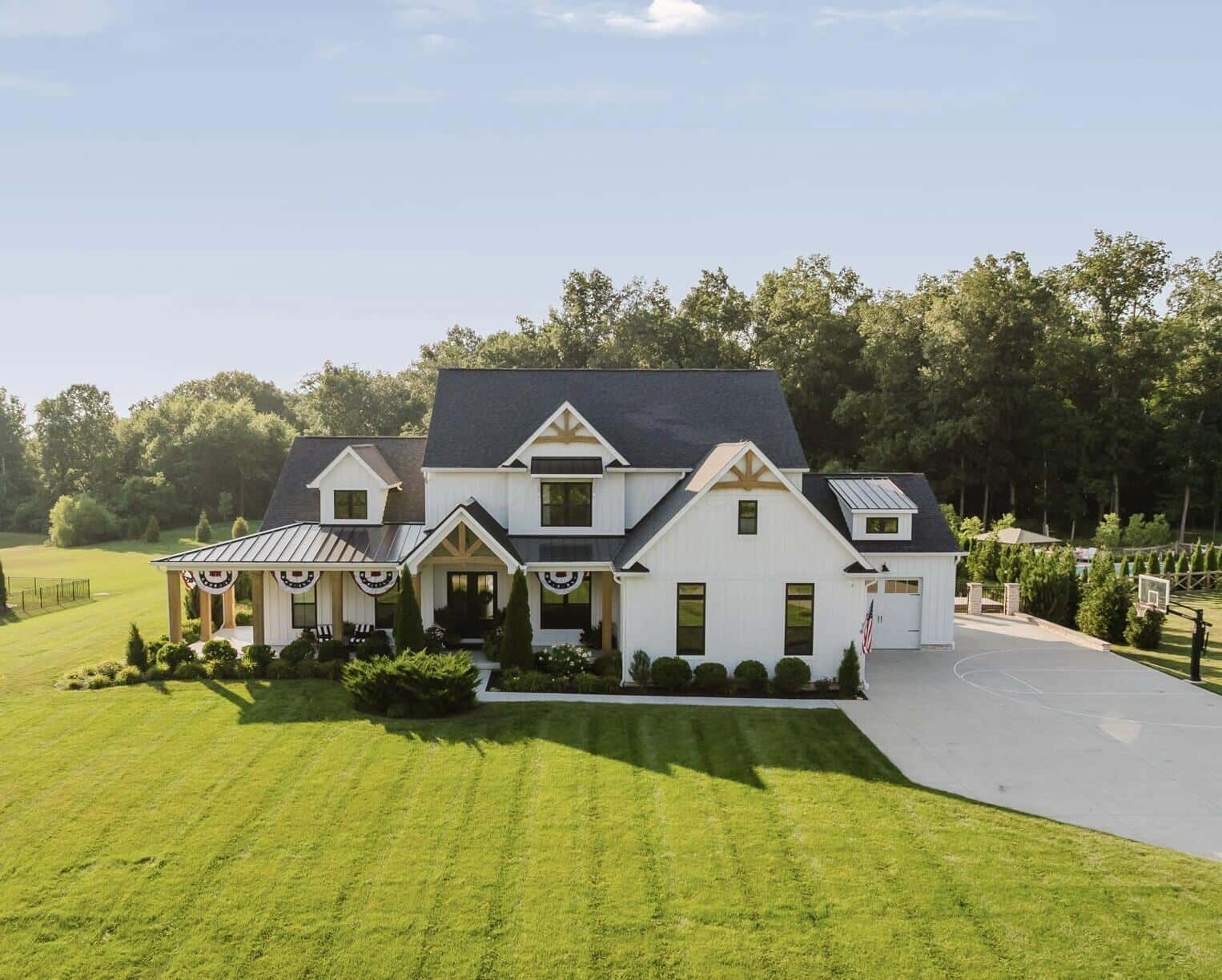
Move outward and the defining signal is land. Galena's character leans rural-residential: larger lots and acreage are common, and you'll find some properties set up for horses or other rural use. Alongside that older, more spread-out fabric, newer subdivisions have been built in the area, so the housing stock isn't all of one era or one lot size. This is the micro-neighborhood reality in plain view: a parcel with acreage and mature trees feels nothing like a newer subdivision lot three minutes away, and neither is better in the abstract. They're simply different textures for different lives. Era, lot size, and street design are doing the talking.
Then there's the water, which is the signal you can't miss. With Hoover Reservoir on one side and Alum Creek Lake on the other, Galena sits unusually close to open water for an inland Central Ohio village. Alum Creek State Park and its boat ramps are nearby, which puts boating, trails, and lakeshore access within a short drive of the village. If proximity to water shapes how you want to spend weekends, that's an objective, checkable feature of where Galena sits on the map.
Schools. Galena is served primarily by the Big Walnut Local School District, though some areas fall within Olentangy Local Schools, and exactly which one applies can come down to the specific address. That makes confirming the school assignment for any individual home especially important here. Look up the relevant district and its buildings on the Ohio School Report Card and weigh the ratings against what matters to your household. If schools are a priority, tell us why and what specifically you're optimizing for, and we'll help you read the boundaries carefully.
Commute. Plan on roughly 30–40 minutes to downtown Columbus, depending on where in the Galena area you are and the time of day. The village's more rural setting means you may drive a bit to reach a highway, and you'll want to factor that into the realistic door-to-door time. Run it yourself before you commit to a mental number.
Services and distance. A practical fact worth naming: a smaller, more rural village means everyday services, like groceries, errands, and the things you run out for, are generally a longer drive than they'd be closer in. That's not a knock; it's the trade that comes with space and quiet. We'd just want you to plan around it honestly.
Taxes and HOA. Property taxes and any HOA arrangements vary between the older rural-residential parcels and the newer subdivisions. Acreage properties and HOA-governed subdivision lots carry very different cost and rule structures, and both are checkable on a specific address. We'd confirm them on the exact homes you're weighing.
The Galena trade-off is one we'd name out loud at the consultation table. On one side: space, water access, larger lots, and the quiet that comes with a small, more rural village. On the other: distance from everyday services and a longer drive to most destinations, including a 30–40 minute commute downtown. No scenario is free of cost, and this one is no exception.
Which way that balance falls is genuinely yours to decide. If acreage, proximity to two lakes, and a quieter setting are what you're after, Galena offers them in a way few places this close to Columbus can. If the daily friction of distance (to work, to the store, to everything) would wear on you, that deserves honest weight before the views win the day. We won't tell you which matters more. Our job is to help you see both clearly and find the property that fits the life you're actually planning.
And the best test is firsthand. Drive Galena yourself, during the day and after dark. Run the commute and the grocery run at the times you'd really make them. Stand on a lot with acreage and then stand on a subdivision lot, and notice which one feels like yours. A place this defined by space and water has to be experienced to be judged, and your own read of it will tell you more than we can.
When you're ready to turn that into a search, we're here. At Reach we act as local consultants, not property finders. We listen first, name the trade-offs plainly, and help you thread the needle between competing priorities toward the home that fits your scenario. Come talk with us, and let's hold Galena up against what you actually want.
Primarily the Big Walnut Local School District, with some areas in Olentangy Local Schools depending on the address. Because it can vary, confirm the school assignment for the specific home you're considering, and review the relevant district on the Ohio School Report Card to weigh the ratings yourself.
Yes. The village sits between Hoover Reservoir and Alum Creek Lake, with Alum Creek State Park and its boat ramps nearby, putting boating, trails, and lakeshore access within a short drive.
The area leans rural-residential, with larger lots, some acreage, and the occasional equestrian or rural property, alongside newer subdivisions built nearby. Lot sizes and home eras vary widely, so it helps to compare a few different settings in person.
Roughly 30–40 minutes to downtown Columbus, and because the setting is more rural, everyday services like groceries are generally a longer drive than they'd be closer in. We'd recommend driving both the commute and a typical errand route at realistic times before deciding.
Spend time there in person, day and night. Run the commute and an errand run at the hours you'd actually make them, and compare an acreage lot against a subdivision lot to feel the difference. Firsthand experience is the most reliable way to judge your own comfort with the space-and-distance trade-off.